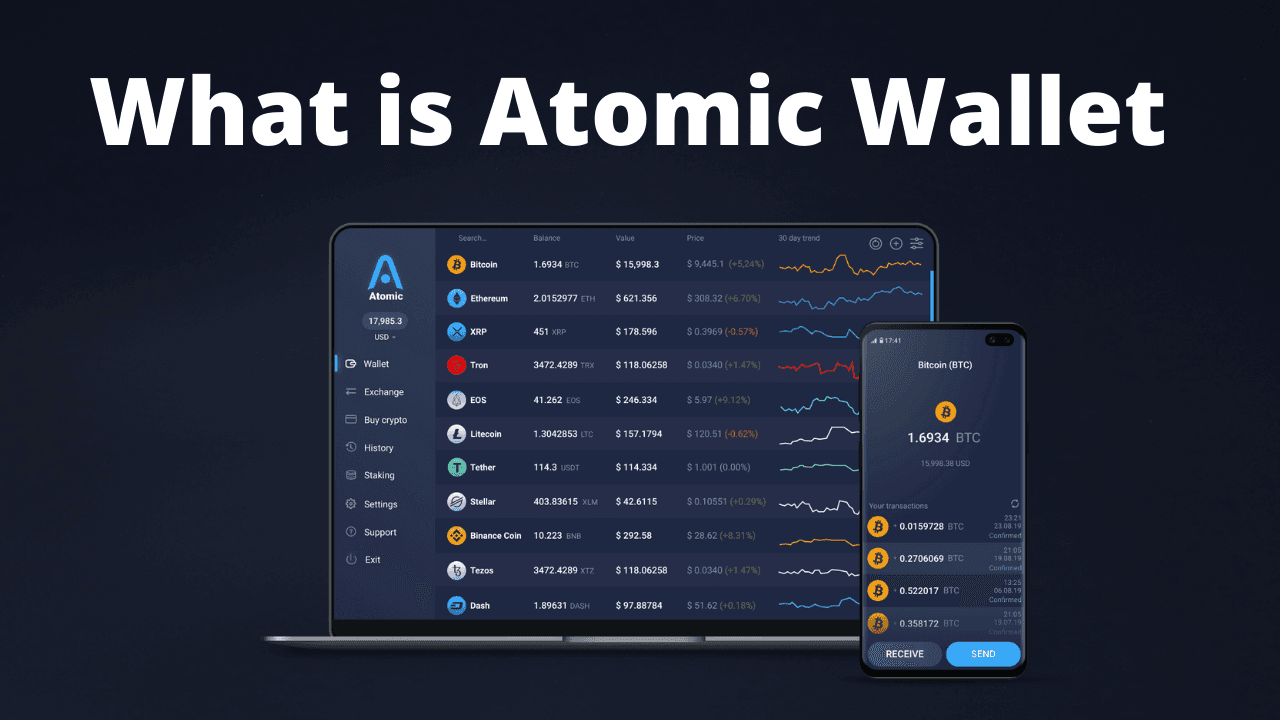
Atomic Wallet: A Complete Look at One of the Most Versatile Crypto Wallets
In today’s rapidly evolving blockchain environment, the demand for secure, independent, and multi-chain wallets continues to rise. With thousands of new tokens, decentralized platforms, and Web3 applications emerging, users need a single storage solution that offers flexibility without sacrificing control of their funds. Atomic Wallet fills that role. Known for combining decentralization with convenience, Atomic Wallet has become a popular choice for both new and advanced cryptocurrency users who want secure access to a wide range of assets in one place.
Atomic Wallet is a non-custodial multi-asset wallet, meaning it does not store user keys or personal data. Instead, all private keys and backups are encrypted and stored on the user’s device. This approach empowers individuals to act as their own bank—free from centralized control, custodial risks, and exchange limitations.
What Exactly Is Atomic Wallet?
Atomic Wallet is a software-based cryptocurrency wallet launched in 2018 with the intention of giving users complete control over multiple digital assets. Unlike wallets that focus on a single blockchain, Atomic Wallet supports more than 1,000 cryptocurrencies and tokens across various networks—ranging from Bitcoin and Ethereum to smaller altcoins and custom tokens.
Available on Windows, macOS, Linux, Android, and iOS, the wallet balances accessibility with decentralization. This cross-platform availability means users can manage their digital assets whether they’re on a smartphone or a desktop device.
Key Features That Define Atomic Wallet
Full Ownership of Private Keys
Atomic Wallet uses local encryption to secure private keys directly on the user’s device. Keys and recovery phrases are never stored on company servers. The wallet is non-custodial, meaning no third party can freeze funds, restrict access, or demand identity verification for everyday use.
Multi-Chain Support
Instead of managing several wallets to store coins from multiple networks, Atomic Wallet offers a unified solution. Users can easily manage tokens from Bitcoin, Ethereum, Solana, Binance Smart Chain, Polygon, and other networks without downloading additional software.
Built-In Exchange and Atomic Swaps
The wallet includes two ways to trade assets:
Instant Exchange: Users can trade supported coins directly within the wallet using third-party liquidity providers without signing into an exchange.
Atomic Swaps: With this unique feature, users can trade selected assets like LTC and BTC directly from wallet to wallet without a middleman, enhancing privacy and eliminating custodial risk.
Staking for Passive Rewards
Atomic Wallet supports staking for a growing list of cryptocurrencies, such as ATOM, TRX, XTZ, ZIL, ADA, and ALGO. Through staking, users can earn rewards and grow their holdings while helping secure decentralized networks. Staking inside Atomic Wallet is straightforward and does not require connecting to external validators or DApps.
Integrated Crypto Purchases
Users can buy cryptocurrencies using debit or credit cards through the wallet’s third-party partners. Although fees vary based on location and provider, this feature benefits beginners who want a simple way to buy crypto without opening exchange accounts.
Why People Prefer Atomic Wallet
The main appeal of Atomic Wallet lies in its combination of security, independence, and simplicity. While centralized platforms require accounts, KYC, and server-based verification, Atomic Wallet keeps everything user-side. The wallet offers:
No mandatory KYC for storage or transfers
No centralized control over funds
No risk of exchange shutdowns affecting your assets
Additionally, users appreciate having staking, swaps, and multi-chain support in one interface. For frequent traders and long-term holders, this type of all-in-one functionality reduces complexity and enhances efficiency.
Drawbacks to Consider
Even though Atomic Wallet offers impressive strengths, it has limitations worth noting:
Exchange fees can be higher than using decentralized exchanges directly
Atomic Swaps support a limited list of assets
User security relies on personal responsibility (losing the recovery phrase means losing access forever)
These challenges come with most non-custodial wallets, where user independence requires user discipline.
Tips for Using Atomic Wallet Safely
To maximize security while using Atomic Wallet, users should:
Write the recovery phrase on paper and store it offline
Never share private keys or seed words with anyone
Avoid saving backup phrases in cloud storage or screenshots
Update devices regularly to prevent malware risks
Download only from official sources
A non-custodial wallet gives power, but responsibility is part of that power.
Who Should Use Atomic Wallet?
Atomic Wallet is suitable for:
Beginners who want a simple way to store many coins safely
Investors who stake coins and earn rewards
Multi-chain users looking for one wallet for all assets
Privacy-focused individuals who don’t want centralized storage
Traders who need quick swaps without exchange accounts
Conclusion
Atomic Wallet offers a strong balance between decentralization, functionality, and user-friendly design. It allows anyone to take full ownership of their digital funds while enjoying a broad selection of blockchain assets, staking opportunities, and trading options—all from a single interface. For users seeking more autonomy in the world of cryptocurrency, Atomic Wallet remains a practical and secure choice. As blockchain adoption grows, wallets like Atomic will continue to play a crucial role in shaping financial freedom in the digital age.